
Subscribe to continue reading
Become a paid subscriber to get access to the rest of this post and other exclusive content.


Laura A. Katz MD, a board-certified obgyn talks about life, women's health, motherhood and the "sensitive subjects."

Become a paid subscriber to get access to the rest of this post and other exclusive content.

Become a paid subscriber to get access to the rest of this post and other exclusive content.
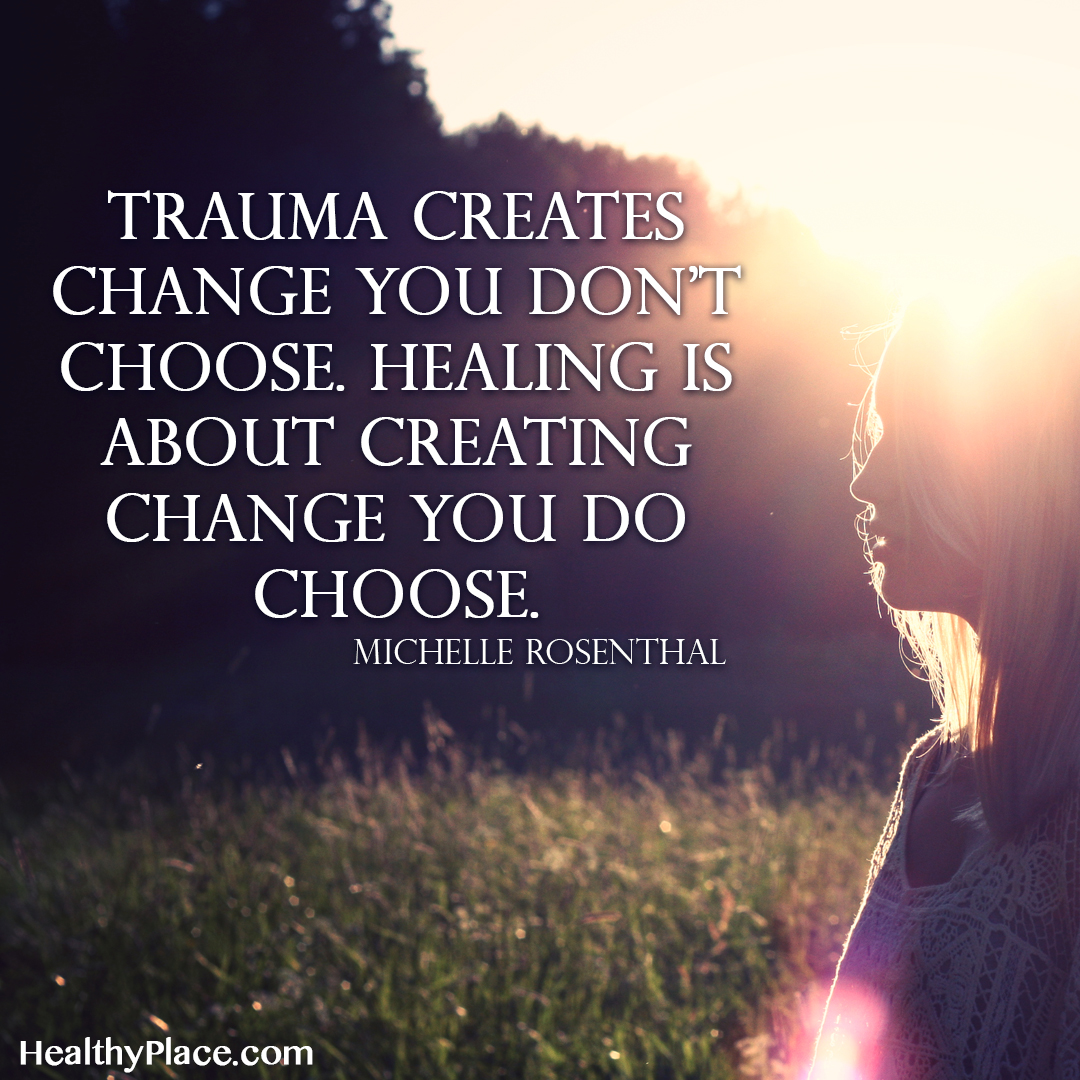
Truer words have never been spoken. I love this quote because it acknowledges the things you potentially can’t change, while redirecting you toward the things that you can.
Let’s talk about trauma. What the heck is trauma anyway? Trauma is defined as an emotional response to a terrible event. Immediately after the event, shock and denial are the most typical responses. Longer term response are more unpredictable and include mood lability, flashbacks, strained relationships and even physical symptoms like gi distress, headache, nausea and aches and pains. This sounds pretty straightforward but is actually much more subjective than you might think.
What is a terrible event? I am sure that we all have some standard ideas like natural disasters, rape, or war, but I am willing to bet that there are hundreds more, depending on the individual and the situation. It is not as black and white as it seems. Something that was pretty terrible for you may see like no big deal for someone else. To a large extent, it is a matter of perception. It is no one’s right to judge another on their response to trauma because it is impossible to truly be “in their shoes.”
So, what is post traumatic stress disorder? This is a mental health condition that is triggered by a terrifying event that is either experienced or witnessed. Symptoms include everything from nightmares, severe anxiety, flashbacks and uncontrollable ruminating thoughts about the event. It is normal to have temporary responses to trauma, but in individuals with ptsd, these responses don’t improve, often last for months or years and even disrupt daily functioning.
Well, I might as well tell you that I am having some ptsd after finishing chemo. Cancer, despite my positive attitude, still had it’s way with me mentally somewhat. It was, in fact, traumatic on multiple levels. Just like I have discussed before, I knew this was one of the risks after completing cancer treatment, not because anyone told me, but because it seemed logical. I mean, look at what my mind and my body have gone through. Chemo and the cancer itself blessed me with aches, pains, nausea, fevers, severe fatigue, neuropathy, etc and then when it was all over, my liver and kidneys took a hit and took awhile to recover….and then my thyroid died and it almost sent me into a coma….all when I was supposed to be done with all that! Mind you, I went through all of that while being off prozac so there was no mental health/anti anxiety buffer available so it was full on unrestrained feels and fear all day long. I got through it. I mean I am getting through it, but it has left some scars. Every twinge or pinch sends my brain racing with death defying possibilities if I allow it. Because, twinges or pinches meant something was terribly wrong before right? So why wouldn’t it mean that now? Oh yes, that’s right. I just had scans that were clear not even a month ago. I am ok. I saw it on film myself. Still, those rational thoughts aren’t the first ones that come to my mind when those symptoms come up.
Last night I was having a basic fibromyalgia flare, brought on by stress, like I have had a million times before, even before cancer. This time, you would have thought that I was dying. I started panicking. I decided that I wasn’t going to the party I was planning on attending. I put myself to bed and started ruminating on all the terrible possibilities until my amazing daughter pointed out that the symptoms were the same as always and she gently reminded me about the stressful day we had. Listening to her broke though my fear bubble just enough that I was able to get myself together and actually go to the party with my husband. We had a great time by the way. Thank goodness for her understanding and her voice of reason when I was being somewhat irrational. But, that’s what post traumatic stress is. It’s irrational. You sometimes cannot see your way out of it without some help.
As the quote above states, the kind of trauma that causes ptsd causes change that you don’t choose. I didn’t chose to get cancer and have organs shut down and be sick for months and months. That was a trauma and that is still affecting me. But, I can choose to continue to heal and get help for my symptoms rather than settling into them and just accepting them as if this is how the rest of my life is going to go regardless of my say so. I do have a choice! I am getting therapy. I am learning ( or trying to learn) new coping mechanisms. I am listening to my family. I am realizing that I do not have to turn in my Wonder Woman status just because I am dealing with this. I am embracing the fact that this is a battle that I do not have to fight all by myself and that is ok.
Speaking of not battling alone, I wanted to leave you with a screening guideline for PTSD from HelpGuide
Do you think you could have PTSD? Here are some screening questions. If you answer yes to three or more of these, you may also have PTSD and should seek help and therapy from a qualified mental health professional.
If you answered yes to three or more of these questions, you can get help. Cognitive Behavioral Therapy can be very helpful. When you look for a therapist, make sure to look for someone that specializes in trauma and PTSD. There are also a multitude of PTSD support groups in Michigan, which is where I live. Here is some contact information.
These are just a few resources. My point is, if you think you are suffering from PTSD, don’t go through it alone. There is help out there. You may not have chosen the trauma that was inflicted on you, but you can chose not to be it’s perpetual prisoner.
Dr. Katz

Hey everybody. Show of hands…who seems to be tired all the time lately? I bet there is a ton of you. No matter how much sleep you get, no matter how well you eat, no matter how much caffeine you drink, that thick blanket of fatigue just never leaves lately. But why? My guess is that this persistent exhaustion isn’t actually just physical, it’s emotional as well. I mean sure, I am one of the believers that constant mask wearing puts you at risk for CO2 retention and respiratory acidosis, which can cause fatigue, but I know that is not the whole story.
So, why are we so exhausted? There are ten basic causes for fatigue that are the most common. Some of them we do to ourselves and some of them we have no control over. Let’s review.
The first one is poor diet. If you eat a diet full of refined sugars and carbs, you will be totally wiped out because all you get from that is short energy bursts followed by crashes. Likewise, if you are trying to diet and you are not actually getting enough calories to keep your body going, you will simultaneously just drain your own energy reserves throughout the day. On the other hand, if you eat a well balanced diet with no meal skipping, you will stay fueled the whole day!
The second one is using electronics before bed. I am totally guilty of this one. I mean, who is not filling their heads with the latest anxiety-causing social media right before they want to go to sleep? Sometimes it is the only time that we feel like we can “catch up” on the world right? Did you know that using electronics before bed turns up your fight or flight response which increases your pulse and blood pressure for several hours? It also decreases your melatonin levels. Both of those things are sure to keep you up longer. Ideally, you should aim to “unplug” at least three hours before bed time to give yourself a fighting chance.
The third one is sleep apnea. Sleep apnea happens when you literally stop breathing multiple times during the night, even if you don’t know that you’re doing it. This happens because your airways close while you are sleeping because of extra soft tissue. Not sure if this applies to you? Ask your bed buddy, if you have one, if you are keeping them up at night with your intense snoring. If the answer is yes, talk to your doctor about it and get treated.
The fourth one is anemia. If you are anemic with low hemoglobin, your red blood cell count is low and they are not getting enough oxygen and therefore you are tired all the time. The most common cause of anemia for women would be iron deficiency from menstrual blood loss. Some symptoms of anemia might be skin pallor, elevated pulse, fatigue or weakness. If you think you are anemic, talk to your doctor before self treating.
The fifth one is diabetes that is undiagnosed or poorly controlled. Diabetes causes excess sugars to stay in the bloodstream instead of going into the muscle where they can be used for fuel. As a result, you stay fatigued all the time. Some symptoms of diabetes could be frequent urination, excess hunger, excess thirst, and fatigue. If you think you might have diabetes talk to your doctor.
The sixth one is dehydration. We are all racing around lately without stopping just to try and keep up with the world around us. One sign of dehydration could be darkening of your urine when you go to the bathroom. If you notice, start increasing your fluids and see if it changes. We need to take the time to drink water frequently throughout the day. Experts say that we should aim for at least 3.7 liters(15.5 cups) a day for men and 2.7 liters( 11.5 cups) per day for women. How many of us are even close to that? I better get drinkin!
The seventh one is too much caffeine intake. I think that the world in general is guilty of this nowadays. There is no dietary recommendation for caffeine. It can be found in some medications, chocolate, caffeinated teas and sodas, and energy drinks. While caffeine can give you a temporary boost, it doesn’t last. How much caffeine is too much depends on the person. The effects of too much caffeine include increased blood pressure, elevated heart rate, premature heart contractions, and headaches. With caffeine, it really is a vicious cycle. You start drinking caffeine because you are tired. The caffeine then makes your body race and you get more fatigued. Then you find yourself “needing” more caffeine. Then when you try to wean yourself off of caffeine, you can get ridiculous headaches as it washes out of your system. In an ideal world, I would say don’t even try it in the first place. Mind you, I am saying this as I am sipping my dollar sized McDonald’s coffee.
The eight one is a chronic infection of some kind, most commonly a bladder infection. If you have been recently treated for a bladder infection and have no other symptoms except a lingering fatigue, go back to your doctor and get rechecked. You could have some infection left over.
The ninth one is thyroid issues. The thyroid is that little gland in your neck that literally has it’s fingers in multiple body functions, not the least of which, your metabolism. If your thyroid is underactive(hypothyroid), that could slow your metabolism and make you feel really sluggish. It could also affect your skin and make it difficult for you to lose weight. If your thyroid is really underactive, you might even notice a bulge in your neck and have trouble swallowing. If you think you have thyroid issues, call your doctor and get checked.
Last, but definitely not least, depression and stress are a major cause of fatigue. At least 25% of people suffering from depression report fatigue and a loss of appetite, in addition to the classic depressed mood that we think of. This is the one that I think is really affecting all of us right now with the the state of the world like it is. Depression causes feelings of sadness, anxiety or hopelessness for an extended period of time. People who are depressed often have sleep problems, which only add to the fatigue. Stress stimulates our flight or fight response which overtaxes our metabolism and can leave us feeling worn out and tired. Who doesn’t feel all of those things right now? The world is just not the same. We feel out of control. We feel like the joy has been sapped out of all our favorite things. We are spending a lot of energy looking for someone to blame for how things are instead of using our energy to deal with it. In my practice alone, the percentage of patients that I am helping with depression has risen 75%. This is a real problem and we need help.
So, we have talked about the causes. For the first nine, the strategy is fairly obvious: treat the underlying condition and the symptoms should resolve. Correct the lifestyle slip ups and the symptoms should get better. The last one, depression and stress, is a much harder mountain to climb. There is no one strategy that works for everyone because it is not a straightforward issue. You know what my first suggestion is going to be: talk to your doctor! Clue them in to what is going on with you and maybe they can help. Talk to your family and your friends. Maybe they are feeling the same way! Support each other the best we can! Seek counselling and therapy. I know that I personally have a list of counsellors ready to help at my office at any one time. Don’t try to tackle it all on your own! There is no harm, no foul, and no defeat in seeking help. The real battle is lost when you don’t take advantage of the resources around you and something terrible happens. Then the consequences spread like ripples on a pond, not only affecting you, but everyone you care about as well. Make sure you take the time to realize your own importance, especially now. No one can do that for you. I will make you a promise right now, we doctors are here for you.. We understand and we are tired too, but we will always be here.

Become a paid subscriber to get access to the rest of this post and other exclusive content.